- English
- Español
- Português
- русский
- Français
- 日本語
- Deutsch
- tiếng Việt
- Italiano
- Nederlands
- ภาษาไทย
- Polski
- 한국어
- Svenska
- magyar
- Malay
- বাংলা ভাষার
- Dansk
- Suomi
- हिन्दी
- Pilipino
- Türkçe
- Gaeilge
- العربية
- Indonesia
- Norsk
- تمل
- český
- ελληνικά
- український
- Javanese
- فارسی
- தமிழ்
- తెలుగు
- नेपाली
- Burmese
- български
- ລາວ
- Latine
- Қазақша
- Euskal
- Azərbaycan
- Slovenský jazyk
- Македонски
- Lietuvos
- Eesti Keel
- Română
- Slovenski
- मराठी
- Srpski језик

Why Are Advanced Drink Cups Redefining Daily Hydration?
Modern drink-ware is undergoing a significant transformation as consumers demand safer materials, smarter structures, and more sustainable performance. The drink cup category—once defined only by shape and volume—is now shaped by engineering, user behavior, and environmental expectations.
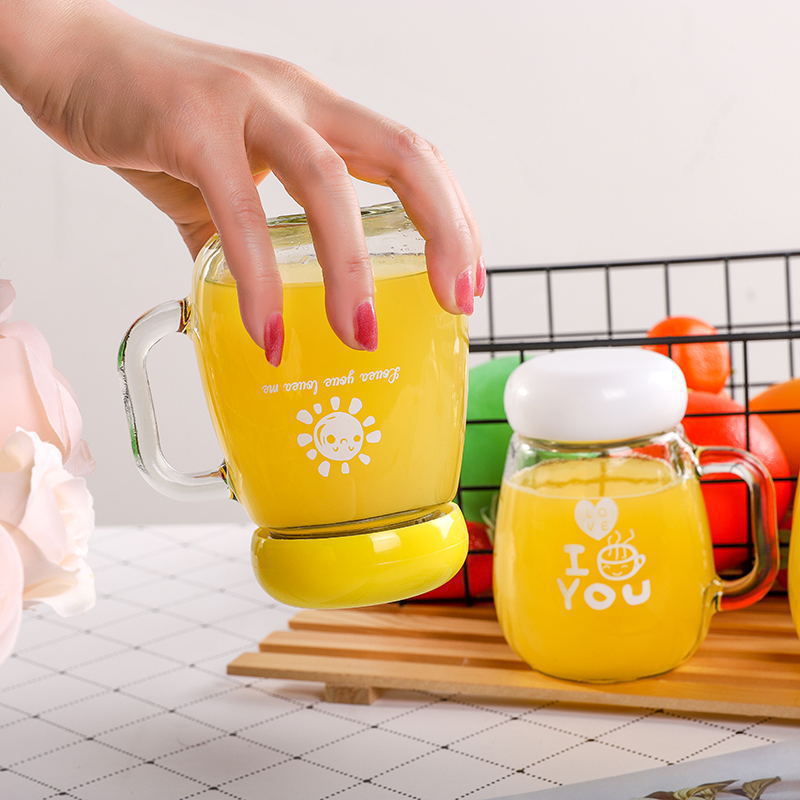
A high-quality Drink Cup is engineered to solve three core problems: temperature stability, material performance, and long-term usability. The design is not merely aesthetic; its construction must withstand repeated use, cleaning cycles, accidental impacts, and exposure to different beverages.
How Material Engineering Improves Performance
Premium Drink Cups typically rely on food-grade polymers, stainless steel, silicone seals, and BPA-free components. Each layer of material contributes to its function:
-
Outer Shell – Reinforced polymer or stainless steel prevents cracking and provides external insulation.
-
Inner Chamber – Smooth, neutral-taste surfaces maintain beverage purity and resist corrosion.
-
Insulation Layer – Vacuum insulation or double-wall polymer reduces heat exchange.
-
Lid Technology – Spill-proof silicone rings and pressure-balance openings regulate airflow and pouring control.
Core Product Parameters
A technical understanding of Drink Cup specifications helps compare quality:
| Specification Category | Standard Parameter Range | Functional Impact |
|---|---|---|
| Capacity | 350ml / 500ml / 700ml | Supports daily hydration habits |
| Material | Stainless Steel 304 / Food-Grade PP / Silicone | Ensures safety and durability |
| Insulation Technology | Double-Wall / Vacuum Layer | Maintains temperature 6–12 hours |
| Heat Resistance | -20°C to 120°C | Allows use with hot & cold drinks |
| Dimensions | 7–9cm diameter, 12–22cm height | Fits cupholders & bags |
| Lid Structure | Press-seal / Twist-lock / Slide-open | Prevents leakage |
| Weight | 150g–350g | Enhances portability |
| Finish | Matte / Satin / Powder-Coated | Improves grip and aesthetics |
These parameters show how engineering translates into real-world performance.
How Design Choices Improve Daily Use
-
Ergonomic Curvature: Reduces wrist strain during grip.
-
Anti-Slip Base: Stabilizes the cup on uneven surfaces.
-
Wide-Mouth Opening: Simplifies cleaning and allows ice insertion.
-
Condensation-Free Exterior: Keeps hands and desktops dry.
Taken together, these features reframe the Drink Cup as a functional tool rather than a simple container.
How Do Drink Cups Improve Sustainability and Environmental Responsibility?
Environmental awareness has transformed consumer expectations. The Drink Cup must now answer a crucial question: how can it reduce waste while providing superior performance?
How Material Choices Affect Sustainability
-
Reusable Construction drastically cuts single-use plastic waste.
-
Recyclable Components extend the lifecycle beyond final use.
-
Durable Surfaces mean fewer replacements and lower material consumption.
Many innovative Drink Cups now integrate energy-efficient production methods and low-emission manufacturing, aligning with global ESG standards.
How Longevity Minimizes Environmental Footprint
A product designed to last 3–5 years replaces dozens or hundreds of disposable cups. Every additional hour of insulation performance also reduces the need for reheating appliances, indirectly lowering energy consumption.
How Is Drink Cup Innovation Evolving for the Future?
The Drink Cup of tomorrow is shaped by behavioral data, technological integration, and shifting lifestyle patterns.
Emerging Trends
1. Smart Temperature Indicators
Heat-sensitive pigments or integrated digital readouts will show drink temperature in real time.
2. Antimicrobial Surfaces
Next-generation coatings reduce bacterial adherence and keep the internal chamber hygienic.
3. Modular Components
Interchangeable lids, handles, and bases support customizable use across sports, travel, offices, and homes.
4. Ultra-Light Composites
A blend of polymer science and aerospace materials will deliver stronger yet lighter cups.
5. Circular Material Ecosystems
Manufacturers will adopt closed-loop systems, reprocessing returned cups into new batches.
How Consumer Behavior Drives Innovation
-
Rising outdoor activities demand impact-resistant cups.
-
Coffee culture pushes for superior heat retention.
-
Commuting trends require spill-proof, portable designs.
-
Sustainability-conscious buyers prefer low-carbon and recyclable products.
How Can Buyers Evaluate Quality, Choose the Right Drink Cup, and Benefit From a Trusted Brand?
Understanding the technical details helps guide smart purchasing decisions.
How to Assess Performance Before Buying
-
Check Insulation Rating – Longer duration equals better engineering.
-
Test the Lid Mechanism – It must seal tightly without excessive force.
-
Inspect Weight Balance – A well-balanced cup feels stable when full.
-
Verify Certification – Look for LFGB, FDA, or food-contact compliance.
-
Review Material Quality – Premium steel and PP provide long-term reliability.
How to Match the Cup to Usage Scenarios
-
Office Work: Heat retention and spill-proof caps.
-
Traveling: Shock-resistant body and lightweight form.
-
Sports: High-capacity models with quick-sip lids.
-
Home Use: Wide-mouth designs for smoothies or soups.
Common FAQs About Drink Cups
Q1: How can a Drink Cup maintain beverage temperature for extended periods?
A Drink Cup uses layered insulation—often vacuum-sealed—to create a thermal barrier that slows heat transfer. This prevents external temperature from affecting the beverage and helps hot drinks stay warm and cold drinks stay chilled for hours.
Q2: How should a Drink Cup be cleaned to ensure long-term safety?
A wide-mouth opening allows thorough washing using mild detergent and warm water. Silicone seals should be removed and cleaned regularly to prevent odor buildup. Avoid abrasive tools that can damage internal coatings, and allow the cup to fully air-dry after each use.
How Does a Trusted Manufacturer Strengthen the Value of a Drink Cup?
In a growing market, product quality relies heavily on consistent manufacturing standards. Reliable brands introduce stringent testing at every stage—from raw material selection to temperature cycle tests and sealing-pressure evaluation. This ensures that every unit performs as promised.
INTOWALK, recognized for precision engineering and durable drink-ware solutions, embodies this commitment. Its manufacturing process incorporates quality-controlled materials, refined insulation technology, ergonomic structural design, and a long-term vision aligned with global sustainability trends.
For product details, customization support, or wholesale consultation, contact us to explore how INTOWALK can support your product line, brand development, or retail strategy.
Previous:high quality glass