- English
- Español
- Português
- русский
- Français
- 日本語
- Deutsch
- tiếng Việt
- Italiano
- Nederlands
- ภาษาไทย
- Polski
- 한국어
- Svenska
- magyar
- Malay
- বাংলা ভাষার
- Dansk
- Suomi
- हिन्दी
- Pilipino
- Türkçe
- Gaeilge
- العربية
- Indonesia
- Norsk
- تمل
- český
- ελληνικά
- український
- Javanese
- فارسی
- தமிழ்
- తెలుగు
- नेपाली
- Burmese
- български
- ລາວ
- Latine
- Қазақша
- Euskal
- Azərbaycan
- Slovenský jazyk
- Македонски
- Lietuvos
- Eesti Keel
- Română
- Slovenski
- मराठी
- Srpski језик

The Benefits of Glass Cups
First, from the perspective of health and safety, glassware is a non-toxic and harmless type of drinkware. High-quality glass contains no harmful chemical substances—such as bisphenol A (BPA), which may be found in certain plastics—and does not react chemically with beverages, ensuring that what you drink remains pure and uncontaminated. Glass is chemically stable and odorless, meaning it does not alter the original flavor of a drink; it is particularly well-suited for tea, fruit juice, milk, and other beverages whose authentic taste should be preserved. Furthermore, glass performs well under both high-temperature and freezing conditions without releasing harmful substances, making it a safe and reliable choice.
Furthermore, from an environmental perspective, glass cups are a sustainable choice. Glass is an eco-friendly, recyclable material; using glass cups helps reduce the consumption of single-use plastic cups, thereby lowering environmental pollution. Moreover, glass cups are durable and easy to clean, offering a long lifespan that minimizes the waste of resources associated with frequent replacement of drinkware—all of which contributes to promoting a greener lifestyle.
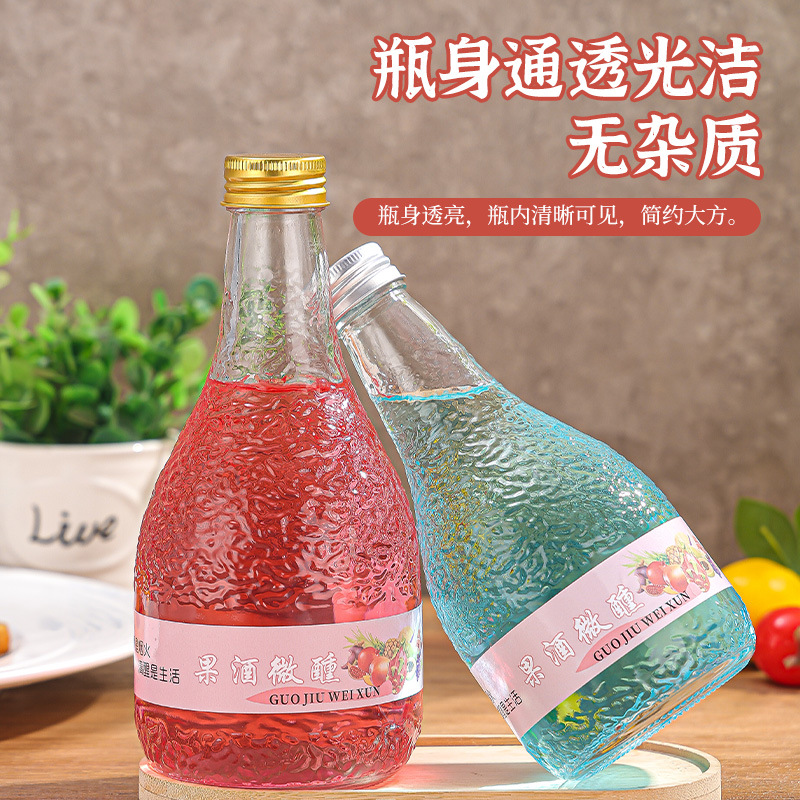
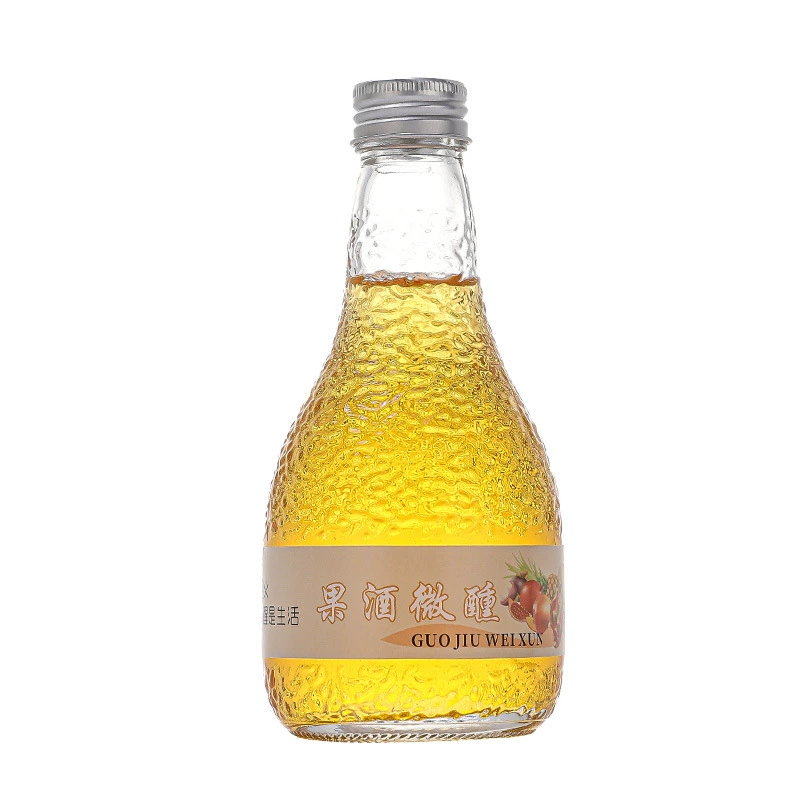
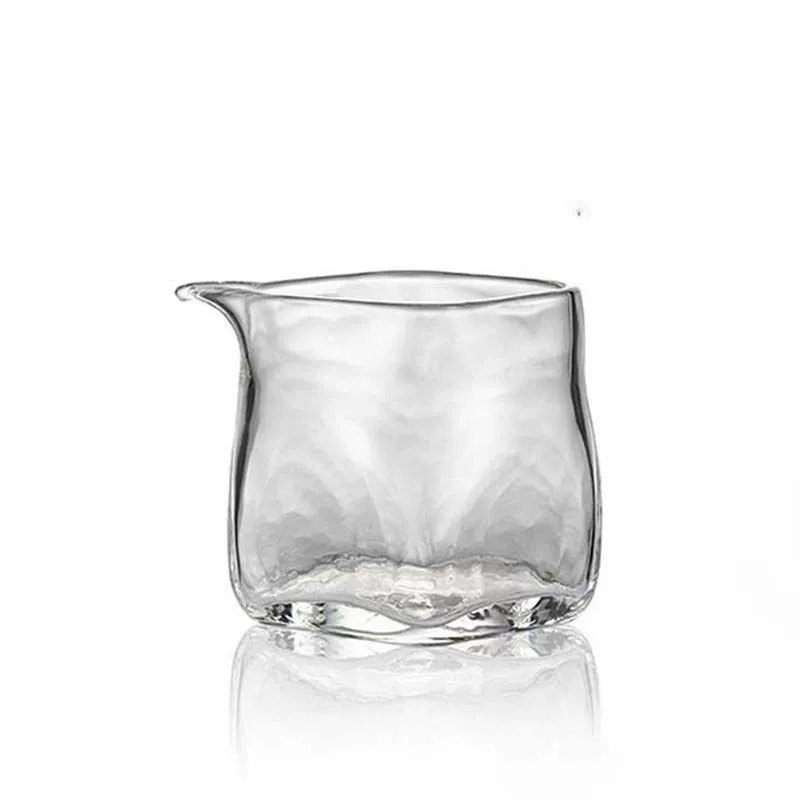
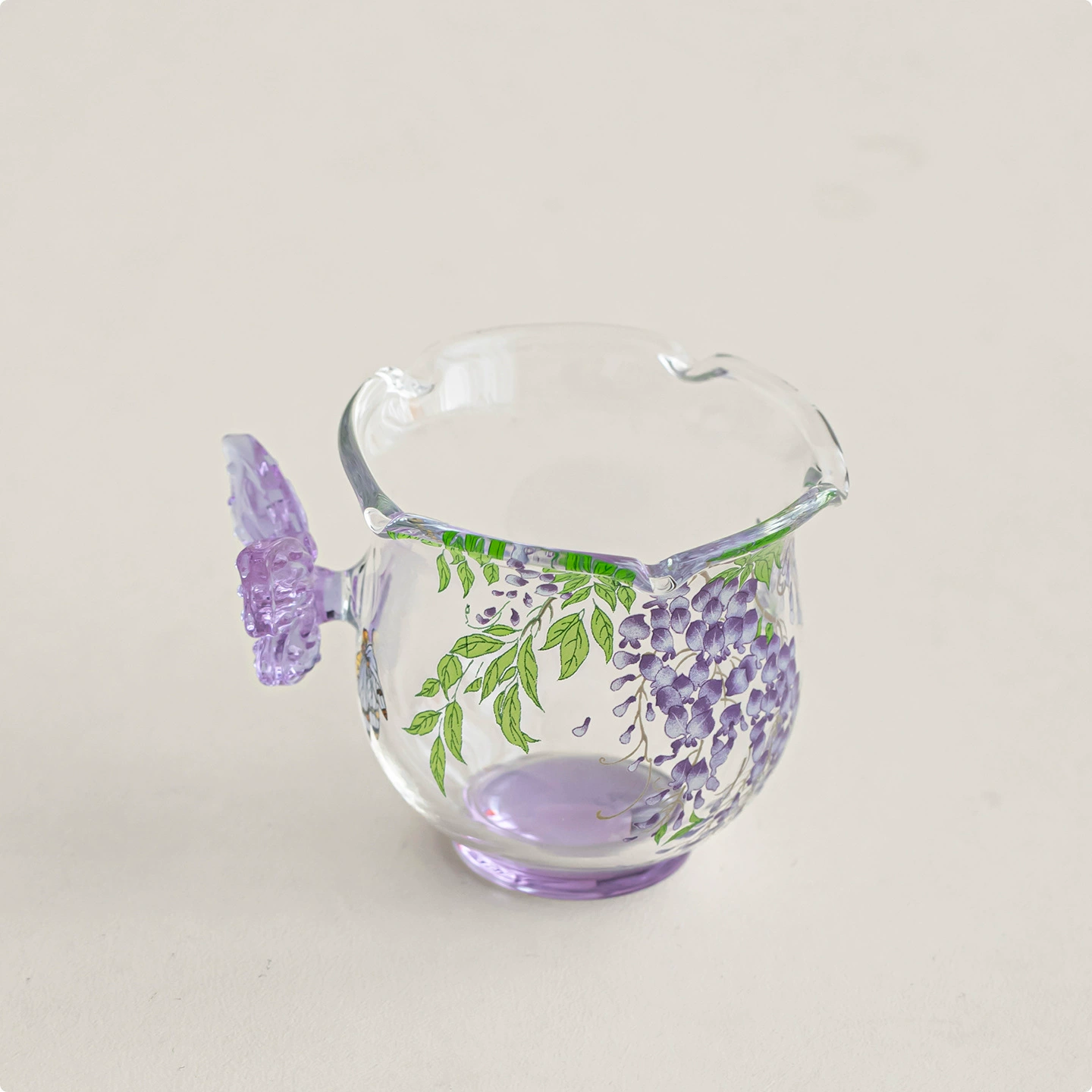
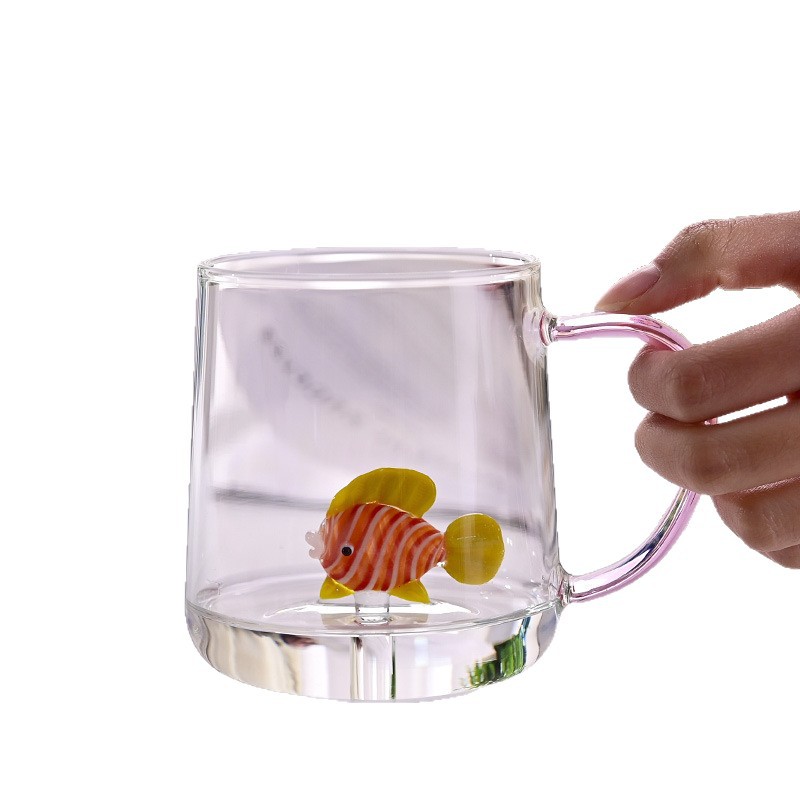
Third, in terms of aesthetics and user experience, glass cups are favored for their transparency. The clear, transparent quality of glass not only showcases the color and layers of a beverage—enhancing visual enjoyment—but also elevates the sense of occasion and refinement when drinking. Many exquisite glass cups feature unique shapes and elegant designs that align with modern aesthetic sensibilities, making them well-suited as home decor or gifts. Furthermore, the surface of a glass cup is smooth and delicate, offering a comfortable tactile feel and a pleasant overall experience during use.
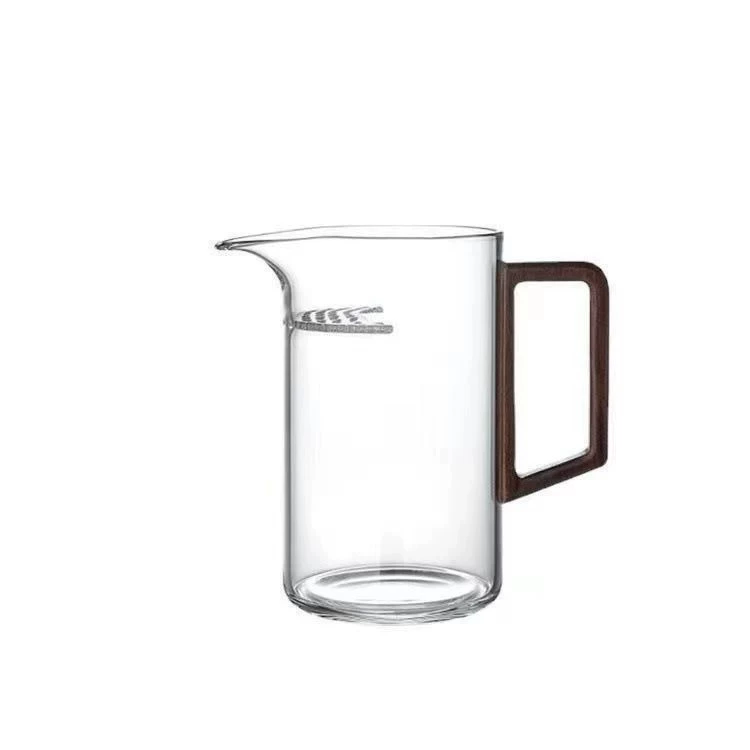
Fourth, in terms of functionality, glass cups offer excellent resistance to both heat and cold. Cups made from high-borosilicate glass can withstand rapid temperature fluctuations and possess high thermal shock resistance, making them durable and less prone to cracking—ideal for brewing hot tea or coffee, as well as for serving cold beverages. Furthermore, because glass is non-porous and airtight, it helps preserve the freshness and original flavor of drinks; it does not readily absorb odors or pigments, which contributes to better hygiene.
Finally, in terms of price and maintenance, although glass cups may be slightly more expensive than some plastic or metal alternatives, their durability and ease of cleaning offer excellent overall value. Glass cups are dishwasher-safe and simple to maintain; furthermore, should they break, they can be professionally recycled, which supports the circular use of resources.
In summary, glass cups have become a preferred choice for drinking vessels, thanks to their numerous advantages: they are safe, healthy, eco-friendly, sustainable, aesthetically pleasing, practical, durable, and easy to clean. Opting for a glass cup not only enhances the drinking experience but also supports a healthy lifestyle and environmental protection—making it an excellent, indispensable choice for modern households and everyday life.
Previous:Glass cup with a lid